 Exhibition

The Power of Words: On Jewish Languages
What language do Jews speak today? What does Yiddish sound like — omnipresent in the streets of Polish towns and cities before the War, today barely audible? What does it have in common with Hebrew, Judeo-Arabic, Judeo-Persian or Ladino? You can find out everything at the new exhibition, “The Power of Words. On Jewish Languages” at the POLIN Museum of the History of Polish Jews in Warschau, which will be open from November 21.


The exhibition presents languages that accompanied Jews scattered across the globe over the centuries. It is a tale of how languages grew to become the space of cultural development for a people living in dispersion. They shaped the sphere of the sacred, everyday communication, as well as religious, social, local and national identity, drawing strength from diversity and cultural continuity.
Hebrew is at the core of this tale — an ancient language, a sacred language, a modern language. We invite you to get acquainted with its alphabet — to watch, listen and write, to get immersed in a space filled with letters, as if they were an intricately woven ornament. It is a unique opportunity to learn about Jewish culture and discover its echoes in our everyday conversations.

Today, when we use the phrase ‘Jewish language’ in Poland, we think either of Hebrew or of Yiddish. Meanwhile, there are very many Jewish languages in the world and this fact by no means hinders cultural continuity—on the contrary, it nourishes and strengthens it.
In “The Power of Words” exhibition we present several dozen original objects related to successive chapters of the long story we tell, such as a Babylonian magic bowl with Aramaic inscriptions (2nd c. CE), Jewish tomb stelae with Greek epitaphs (1st c. BCE), a Sephardi Torah mantle (17th c.), richly decorated Hebrew-inscribed parochets—ornamental curtains protecting the Holy Ark housing Torah scrolls (18th c.), a good number of Hebrew amulets (19th–20th cc.), and an illuminated Hebrew prayer book (14th c.). Also special are the reproductions shown at the exhibition—they allow visitors to immerse themselves in the world of archaeological finds, illuminated manuscripts and early prints, as well as modern Jewish visual culture—press, posters, and books.
Contemporary art constitutes an important part of the exposition. The connection between word and image, as well as the idea of the power of words and letters—which has been essential in Jewish culture over the course of centuries—remain present in the work of Jewish artists today. The exhibition features pieces by Mordechai Ardon, Moshe Castel, Monika KrajewskaOpens in a new tab, Ewa Gordon, Helena Czernek, and Mark Podwal.
“The Power of Words” exhibition is organized by POLIN Museum of the History of Polish Jews in cooperation with the Jewish Museum in Prague.
Related to POLIN Museum of the History of the Polish Jews:
Exhibition
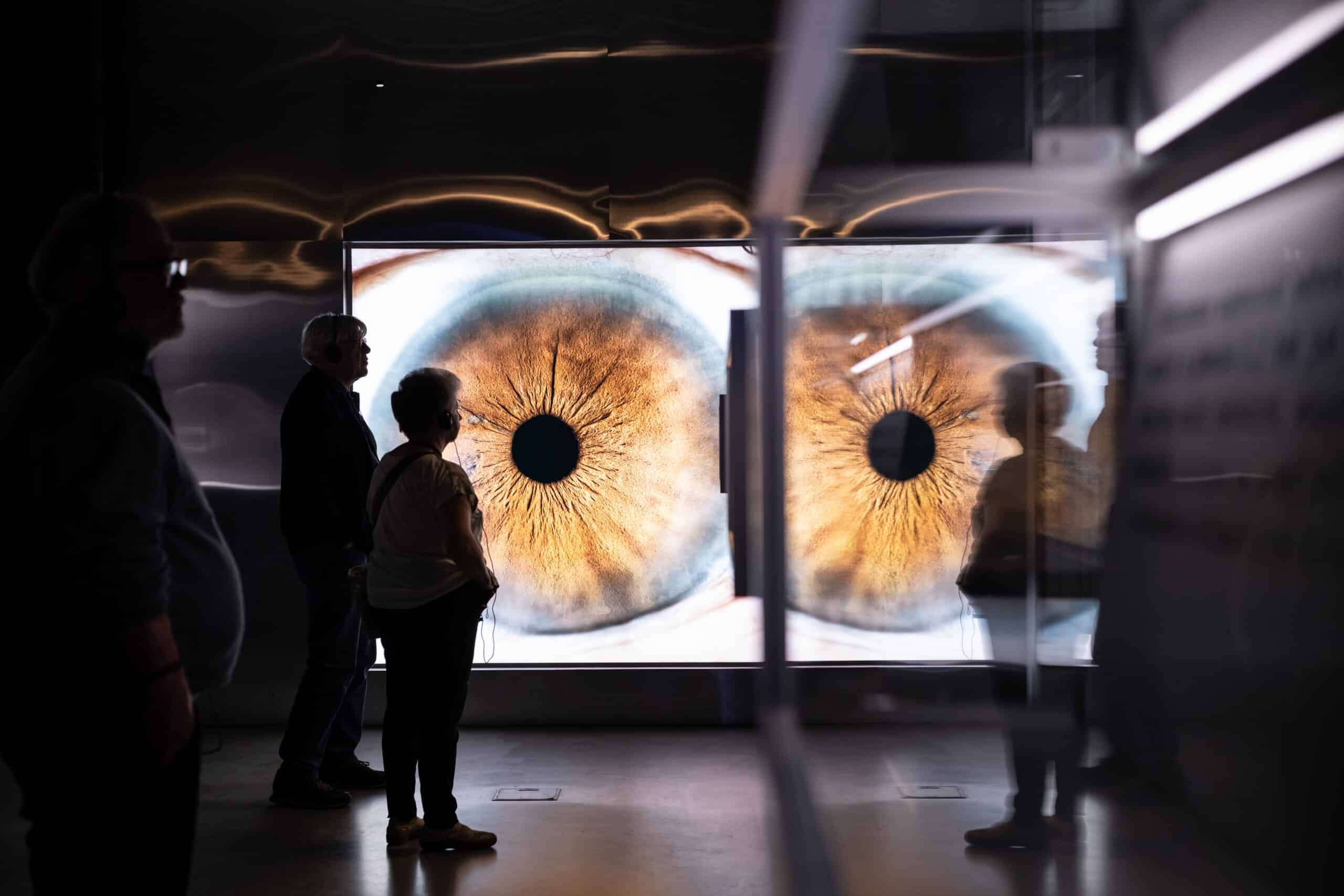
©Maciek Jazwiecki
Exhibition
Around Us a Sea of Fire exhibition
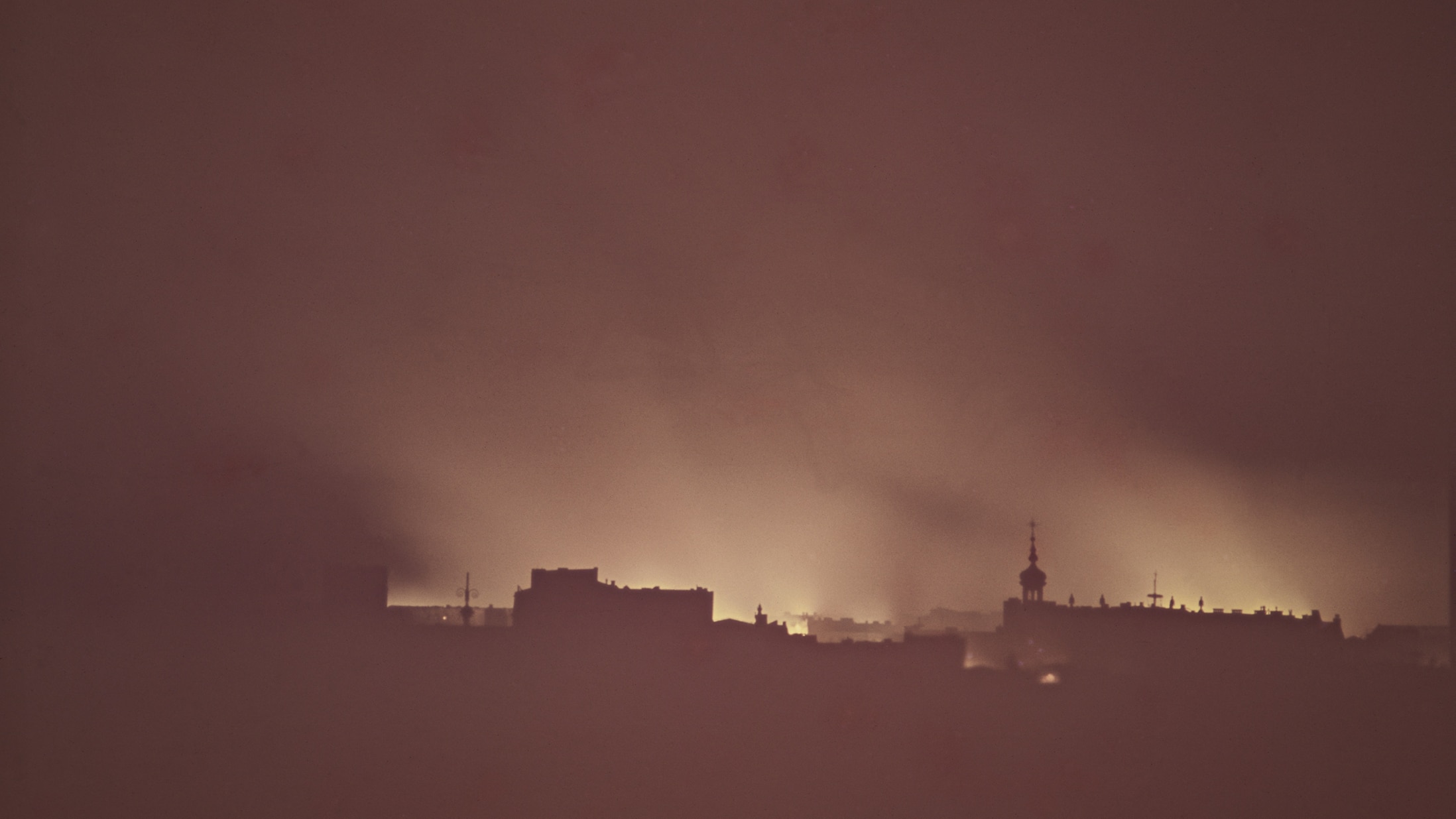
The burning Warsaw Ghetto - photo shot from the roof of a tenement house at ul. Kredytowa 9 at the corner of pl. Dąbrowskiego, april 1943 © Photo. Z. Borowczyk, POLIN Museum of the History of Polish Jews, gift of Edward Borowczyk through Halina Kobyłecka
Exhibition
Around Us a Sea of Fire
 Exhibition
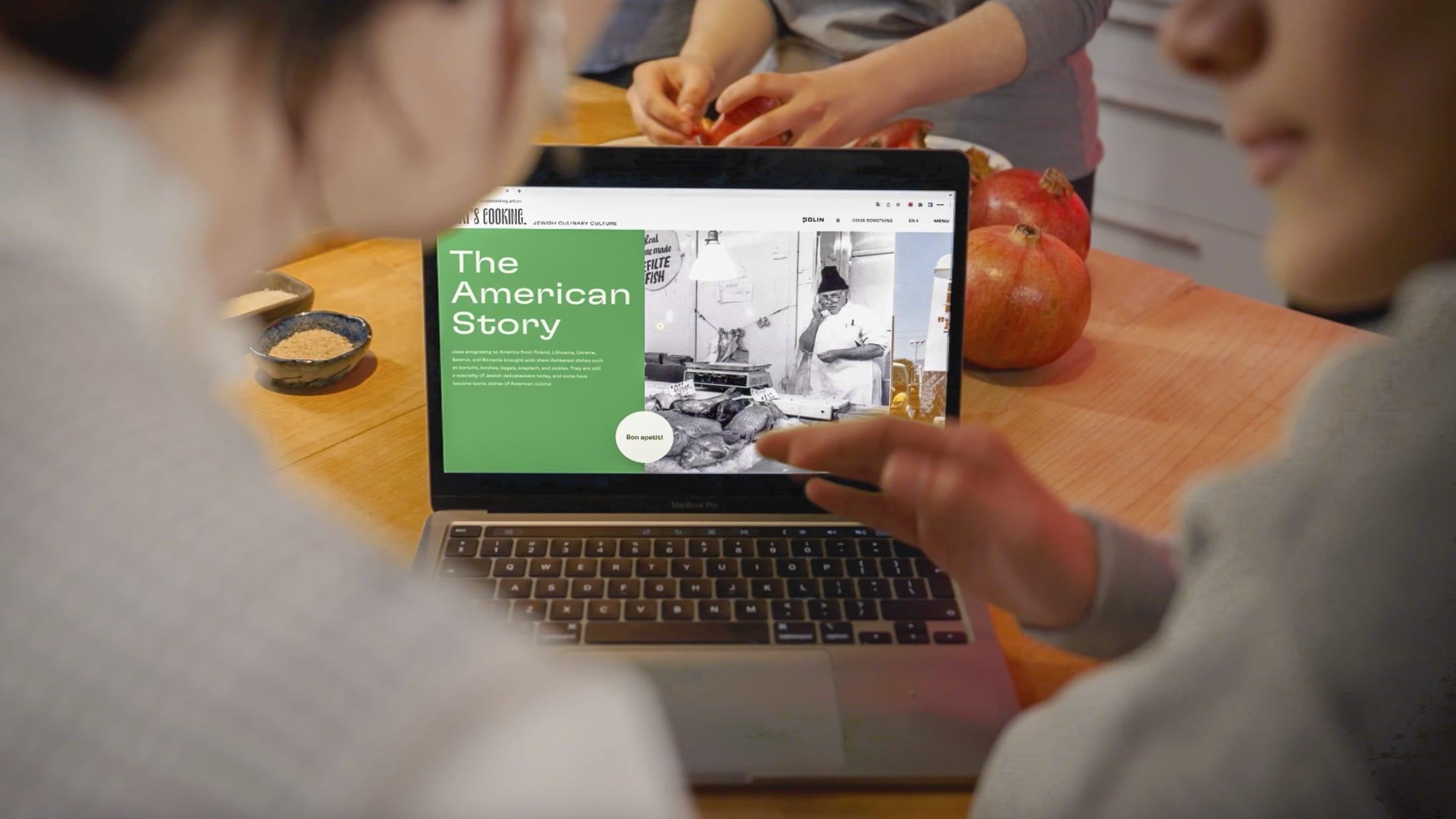
What’s Cooking online?
 Exhibition
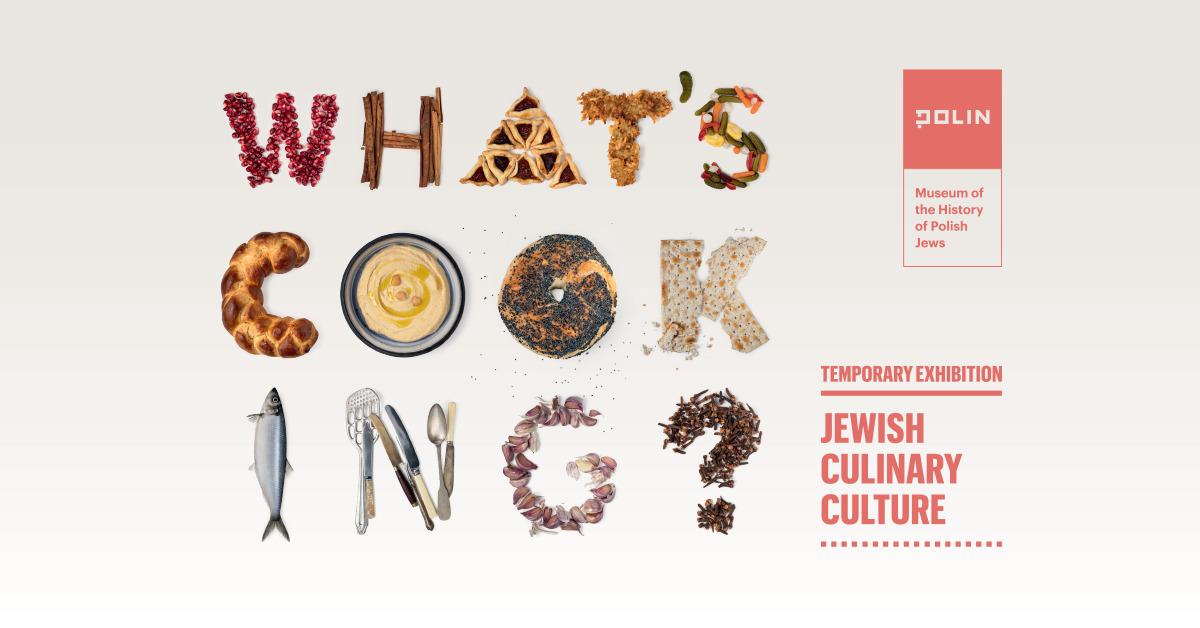
What’s Cooking? Jewish Culinary Culture
 Member Update
‘What’s New, What’s Next?’ Online Conference
 Member Update
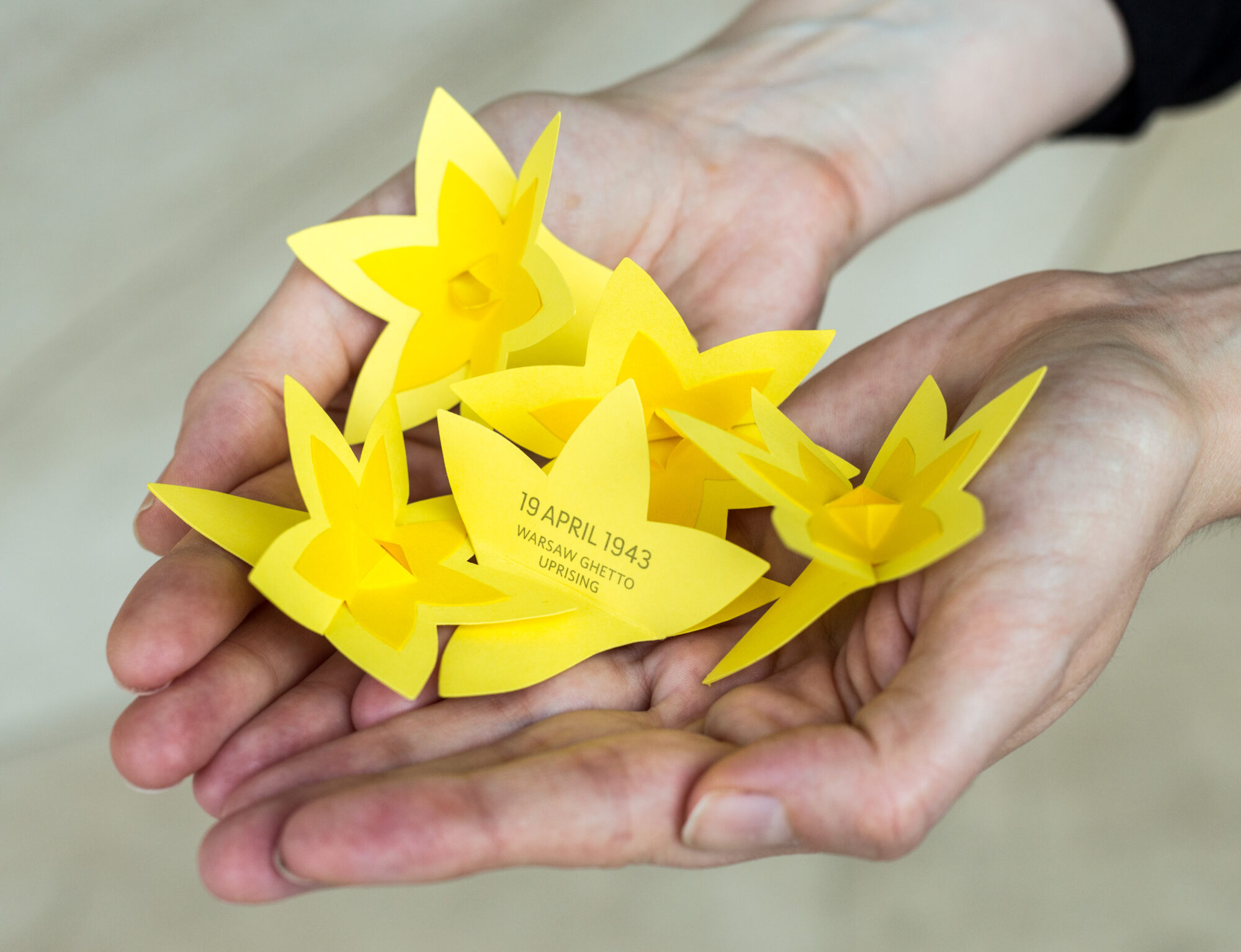
The 2021 Warsaw Ghetto Uprising Campaign
 Member Update
Recording online: Workshop Online Programming, Education and Public Engagement
 Member Project