The Association of European Jewish Museums (AEJM) was established in 1989 in Amsterdam as a non-profit association under Dutch law. It was jointly founded by the Jewish Historical Museum Amsterdam and the Musée d’Art et d’Histoire du Judaïsme in Paris. With 70 member institutions throughout Europe, AEJM represents the largest network of Jewish museums. Initially, AEJM primarily focused on connecting museum directors. Today, the association has evolved into an inclusive network that engages professionals across various museum roles, with a focus on the fields of curation, education, and communication.
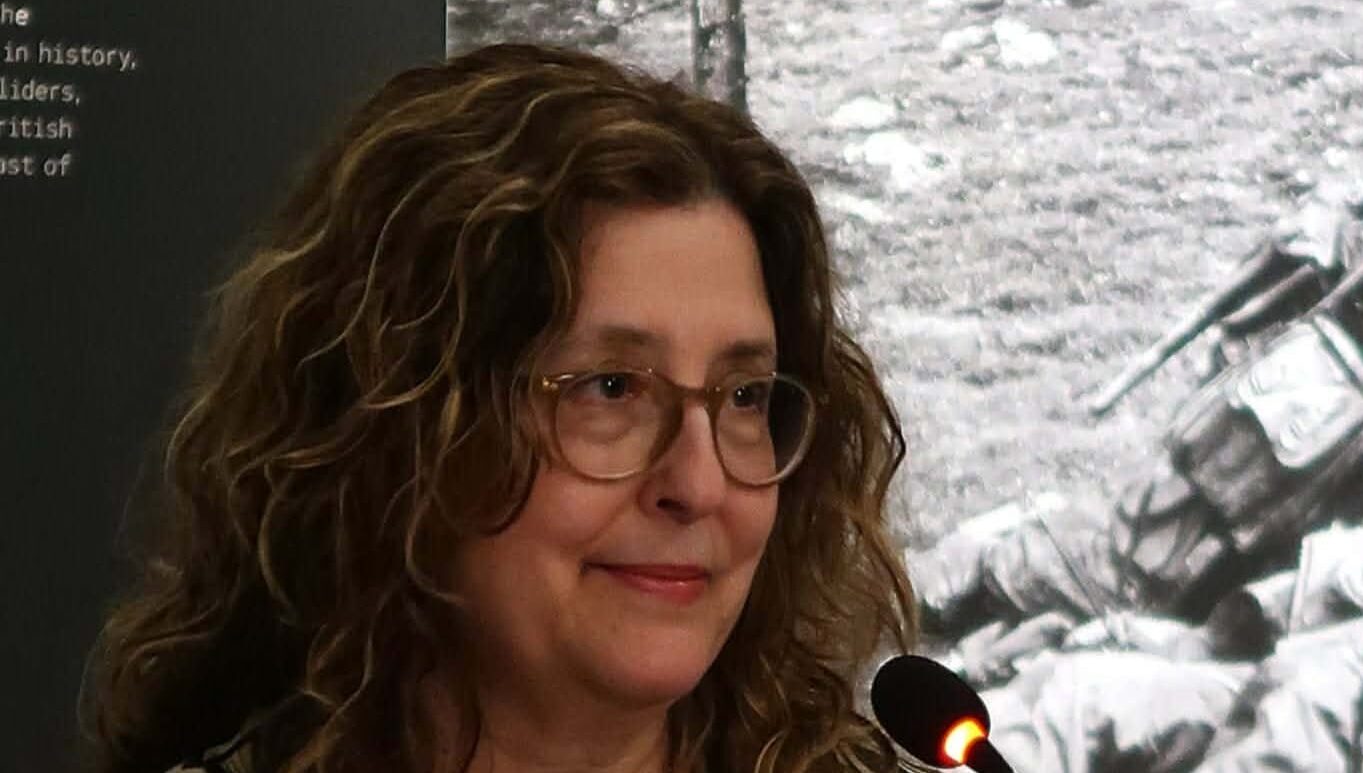
AEJM Annual Conference 2022 in Frankfurt, Germany
Mission
The Association of European Jewish Museums (AEJM) is a leading force in preserving, promoting, and presenting Jewish cultural heritage across Europe. Since its foundation in 1989, AEJM has supported its members by fostering collaboration, knowledge-sharing, and mutual understanding among Jewish heritage institutions. Our mission is to ensure the accurate representation and dynamic evolution of Jewish history, culture, and contemporary life in Europe.
AEJM is dedicated to creating shared cultural spaces that embrace diversity and inclusion. By addressing polarization and fostering unity, we strengthen connections across communities and contribute to a Europe united in its diversity. Firmly committed to combating antisemitism and all forms of discrimination, AEJM upholds democratic values and actively resists the political misuse of history.
By fostering intercultural dialogue and addressing discrimination, particularly antisemitism, AEJM seeks to build bridges between communities and contribute to a more inclusive and cohesive society beyond national borders. Through cultural engagement and mutual respect, we aim to tackle polarization and inspire understanding across divides in European society.
Vision
Our vision is to sustain and expand a European network of Jewish museums and institutions that collaborate to protect and promote Jewish heritage as a vital part of Europe’s shared cultural identity. We envision a Europe where Jewish culture is not only preserved but also widely understood, respected, and celebrated. By fostering intercultural dialogue and addressing discrimination, particularly antisemitism, AEJM seeks to build bridges between communities and contribute to a more inclusive and cohesive society beyond national borders. Through cultural engagement and mutual respect, we aim to tackle polarization and inspire understanding across divides in European society.
Objectives
Enhance Networking and Cooperation
Facilitate collaborative initiatives among Jewish museums and cultural heritage institutions across Europe, promoting knowledge exchange and creating opportunities for joint projects.
Advance Professional Education and Quality
Develop and deliver training programs that improve professional standards, knowledge, and innovation among museum colleagues, supporting their continuous learning.
Represent and Preserve Jewish Heritage
Support the preservation of Jewish material and intangible heritage, ensuring its accessibility to diverse audiences and representing Jewish narratives in a contemporary context.
Uphold Democratic Values and Combat Discrimination
Advocate for democratic principles, ethical standards, and human rights within the museum sector, supporting initiatives that tackle all forms of discrimination, including antisemitism.
Foster Cross-Sectoral Bridges
Strengthen partnerships with cultural, educational, and civic organizations in diverse fields to promote intercultural dialogue and enhance the visibility of Jewish culture and heritage.
Team
General Manager
Sharon Reichel
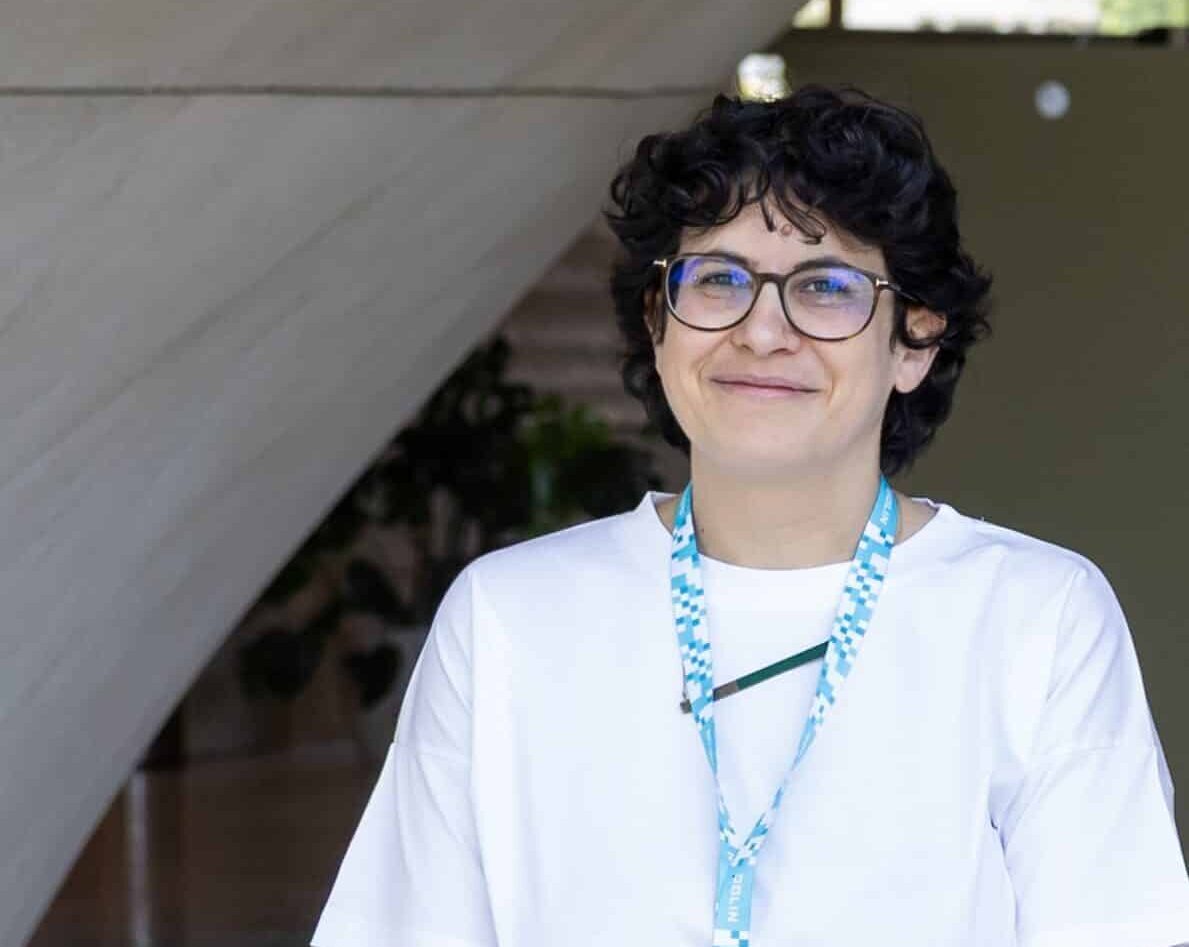
Sharon Reichel oversees AEJM’s operational management, translating the Board’s strategic direction into the association’s programmes and activities. She writes and manages AEJM’s EU-funded projects, particularly under the CERV programme, coordinates the work of the project managers and collaborators, convenes the Board and the Annual General Meeting, and sustains the association’s relationship with its member institutions across Europe. She previously worked for a decade as Curator and Registrar at the National Museum of Italian Judaism and the Shoah (MEIS) in Ferrara.
Educational Offer Project Manager
Julie Blocq-Schipper
Julie Blocq-Schipper is a teacher, coach, and communication trainer in education in the Netherlands, fully trained and qualified in all three roles. As former director of Crescas, a Jewish knowledge centre in the Netherlands, she organised numerous courses, lectures, and events aimed at transferring Jewish knowledge. Drawing on these combined expertises, she was asked to serve as Program Manager for the AEJM educational programs under the EU framework partnership. She is based in Amsterdam, where this year’s two-day program for museum educators will also take place, complemented by several online training sessions.
EU grant administration manager
Oliver Baurhenn
He is a cultural manager and curator. He studied Cultural Studies, Comparative Literature and Romance Studies. From 2000 to 2024, he led the CTM Festival for Adventurous Music and Art, developing it into a European platform for transnational collaboration and managing staff and budgets. In 2015, he served as interim general manager of the new society for visual arts (nGbK) in Berlin, guiding organisational restructuring. He also works as a freelance curator and is active in cultural policy, grant writing and serving on national boards and juries.
Program Manager Curatorial
Anastasia Loudarou
Curator and Head of Library Services at the Jewish Museum of Greece. She holds a degree in Classical Archaeology and a master’s degree in Cultural Management Organization. Since 2006 she is working at the Museum (Judaica Europeana, EHRI II, Yerusha project) on the history and archaeology of Late Antiquity and Byzantine Greek Jewry. She is the co-author of the Corpus of Jewish and Hebrew inscriptions from the 4th c. BCE – 15th c. from mainland and island Greece. She also researches pre War Greek Jewish cemeteries and the burial customs of the Greek Jews according to Halakha.
Program Manager
Iwona Oleszczuk
Iwona is a communication and project manager with extensive experience in the cultural sector. She has worked at POLIN Museum of the History of Polish Jews, the Adam Mickiewicz Institute and the Centre of Community Archives, where she headed the Communication Department. She currently collaborates with Zachęta – National Gallery of Art on communication projects.
She holds degrees in Cultural Studies, Journalism and PR, and completed postgraduate studies in Cultural Diplomacy. For AEJM, she coordinates communication training and podcast production as part of an EU-funded project.
Online Communication Manager
Korbinian Böck
Holds a degree in Modern History and Oriental Studies from the University of Freiburg. He has over eight years’ experience working as an online editor and social media manager at the Jewish Museum Frankfurt, where he was responsible for the website, the social media, museum blog, newsletter and other digital offerings.
Ⓒ Jüdisches Museum Frankfurt
Chair
Mirjam Wenzel
Director of the Jewish Museum Frankfurt, Professor at Goethe-University Frankfurt. She is the author and co-editor of various books and catalogues on German-Jewish art and cultural history. She also works as a curator and has developed several international exhibitions.
Treasurer / Board Member
Sergey Kanovich
Sergey Kanovich (Sergejus Kanovičius) is the Director of the Vilna Gaon Museum of Jewish History, a Vilnius‑born writer, and an expert in Jewish cultural heritage. He is the founder of Maceva, an organization dedicated to documenting and preserving Lithuania’s Jewish cemeteries, and the former founding CEO of the Lost Shtetl Museum. A graduate of Vilnius University, he was awarded the Medal of the Order for Merits to Lithuania in 2018 for his contribution to safeguarding Jewish heritage.
Board
Zanet Battinou
Zanet Battinou, a native of the Ioannina Jewish community, is the director of the Jewish Museum of Greece. Her articles on the history, theoretical approach, mission, and vision of the Jewish Museum of Greece; Greek Jewish history and tradition; and Holocaust research and education have been published in Greece and abroad. Archaeological and historical research on early Jewish life in Greece, remains a major priority. Under her leadership, the Jewish Museum of Greece initiated and organized Holocaust Education in Greece, and also collected and published a Corpus of Jewish Inscriptions, dating from the late 4th c. BCE, until the 15th century CE.
Board
Nisya Isman Allovi
Director and curator of The Quincentennial Foundation Museum Of Turkish Jews in Istanbul. She holds a degree in International Relations and Cultural Heritage and Tourism. She organizes education programs for school groups and guides, contributed to various publications on Turkish Jewish life, and writes to Şalom newspaper about Museum collections on a weekly base.
Ⓒ Photo: Museum POLIN
Board
Joanna Fikus
Head of Exhibitions Department at POLIN Museum in Warsaw and Cultural anthropologist. Joanna Fikus is a Member of the Board of the Jewish Historical Institute Association in Poland and of the Founders Council of the Jewish Community Center Warsaw.
Board
Petra Katzenstein
Director of the Jewish Museum Junior at the Jewish Cultural Quarter Amsterdam. Katzenstein studied drama therapy and psychodrama/social sciences at the University of Leiden. Since 1985, she has been part of the Jewish Museum in Amsterdam, where she is mainly involved in the education department and the children’s museum of the Jewish Cultural Quarter. She also worked on developing the I ASK method, which is highly recognized within the educational work of Jewish museums.
Board
Michaela Sidenberg
Chief curator and deputy director of the Jewish Museum in Prague. Sidenberg is a graduate of the Faculty of Arts and Sciences of Charles University in Prague. She began her career as the visual arts curator at the Jewish Museum in Prague in 1996. Over the years, she has contributed to numerous international projects focusing on different aspects of Jewish history, art, and popular culture, with exhibitions traveling to the U.S., Europe, Australia, and Japan.


 General Manager