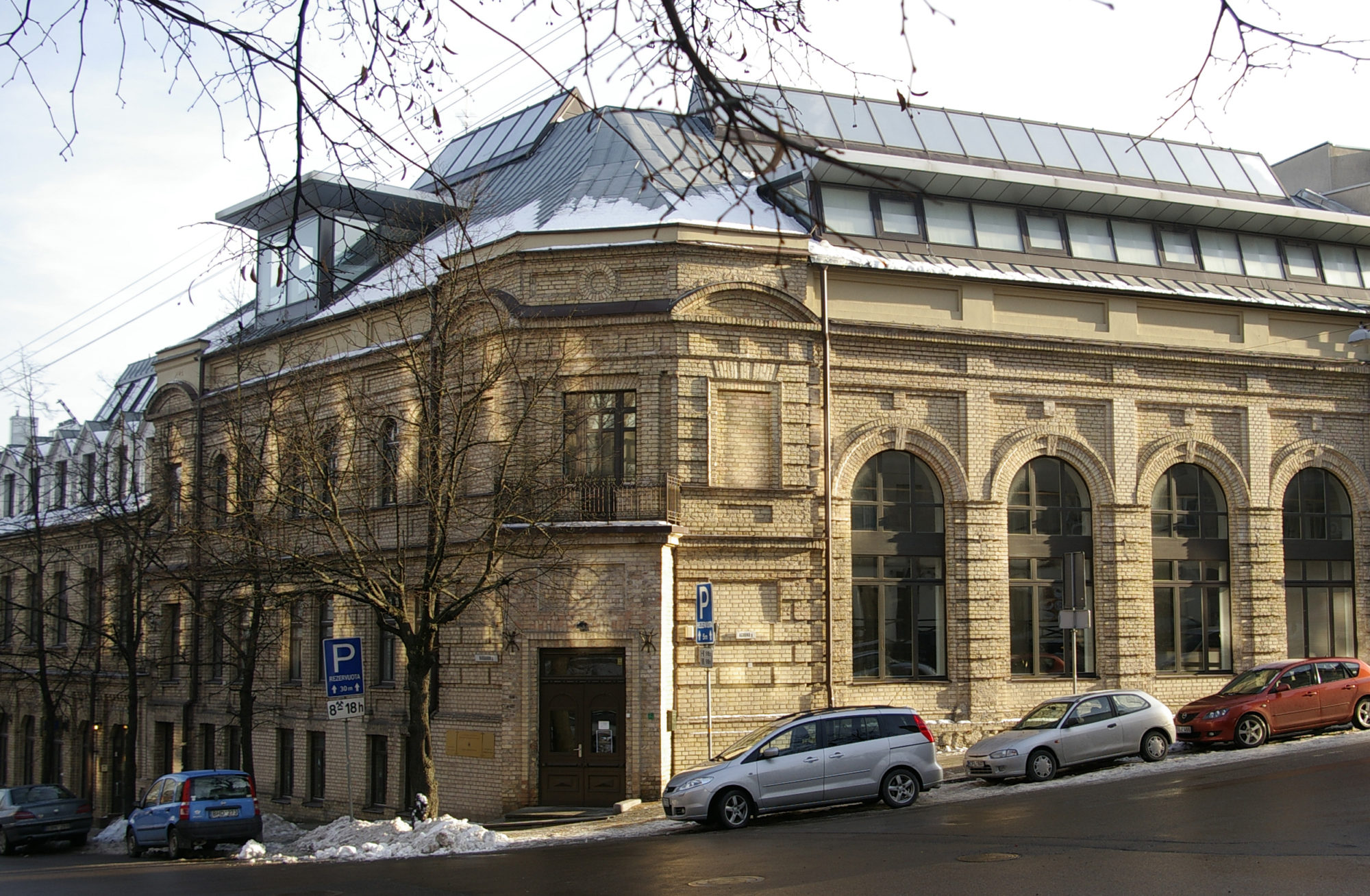

Mid-18th-century reception room from Kozani (Benaki Museum), featuring a late 19th–early 20th-century Sephardic costume from Salonika, courtesy of the Jewish Museum of Greece.
AEJM Curatorial Training Workshop in Athens, November 16–18, 2026
This two-day curatorial training workshop takes place in Athens on November 16–17, with an optional day of activities on November 18. It is organized by the Association of European Jewish Museums (AEJM), in collaboration with the Jewish Museum of Greece, the Benaki Museum, the Netherlands Institute at Athens, and the Jewish Community of Athens. For the first time, the workshop is open not only to professionals from AEJM member institutions but also to heritage professionals from museums, archives, and libraries outside the AEJM network. Places are limited, and participation is subject to an application form.
Set in Athens, the program applies a distinctive lens to European and Jewish culture, drawing on the city’s own layered heritage as a starting point for reflection on Jewish heritage today. Moving between institutional practice, ethical inquiry, and site-specific encounter, the workshop offers a collaborative forum for exchanging ideas and exploring how action in the heritage field can help foster Jewish life across Europe.
Day 1 — Context and Practice (16 November)
Day 1 opens with theoretical grounding. The morning session, supported by the Netherlands Institute at Athens, introduces participants to the historical and conceptual frameworks of Jewish communities in Southeastern Europe, engaging with core questions of identity, memory, history, and post-war life. This foundation then leads into the case of the Jewish Museum of Greece as a living case study in institutional transformation. Against the backdrop of architectural renovation and permanent exhibition redesign, the session interrogates how museums can remain responsive, open, and dialogic spaces. Key topics include the 2026 repatriation of looted Greek Jewish objects from Poland, the evolving role of museums in cultural diplomacy, and the findings of the AEJM’s 2025 survey on museum-community cooperation in polarized times.
The afternoon shifts focus to the museum as narrator of national history. In collaboration with the Benaki Museum, the session confronts a central curatorial challenge: how to present Jewish heritage as intrinsic to national and European history without reducing it to a footnote or assimilating it into homogenizing narratives. Participants will explore methodologies for constructing polyphonic, transnational histories, and for making exhibitions accessible across diverse audiences.
Day 2 — Provenance and the Sacred (17 November)
Day 2, in collaboration with the Jewish Community of Athens, delves into two interlinked curatorial imperatives. The morning session frames provenance research as a non-negotiable ethical practice, examining the systematic looting of Jewish property during the Holocaust and the museum’s responsibility in recovery, restitution, and interpretive justice. Legal, political, and ethical frameworks will be discussed alongside concrete case studies.
The afternoon session, Sacred and Secular, takes up the delicate task of exhibiting objects that carry living religious and communal significance. How can curators honor the sacred dimensions of ceremonial artifacts while fulfilling institutional commitments to education, scholarship, and public access? The conversation will foreground consultation with Jewish communities and religious authorities as essential to ethical stewardship.
By bridging institutional transition, narrative authority, and curatorial ethics, the workshop equips participants with critical frameworks and lasting collaborative connections to carry this reflection forward, sustaining Jewish heritage as a living, shared practice, one that speaks with equal rigour to the past, the present, and the communities it serves.
Workshop Registration
Open for registration from September 1st.
Registration closing date: October 2.
Accepted participants will be notified from October 5.
Register here
Professionals working at Jewish institutions or institutions with Jewish heritage collections may be eligible for a travel grant from the Rothschild Foundation Hanadiv Europe.
Latest events:

Photo: National Holocaustmuseum Amsterdam
Educational
Online Workshop: Old and Modern Forms of Antisemitism. A Quantitative Social Science Perspective.
Photo: National Holocaustmuseum Amsterdam
Upcoming Educational
AEJM Educational Training Workshop in Amsterdam, November 24–25, 2026

Photo: National Holocaust Museum Amsterdam
Upcoming Educational