 Exhibition
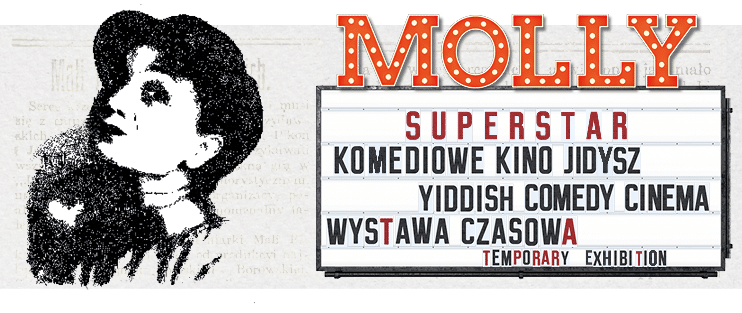
Molly Superstar. Yiddish Comedy Cinema. Temporary Exhibition at the Galicia Jewish Museum in Kraków
A new temporary exhibition at the Galicia Jewish Museum explores the biography and filmmaking of the distinguished actress Molly Picon (1898–1992) and the history of Yiddish comedie — two topics that cannot be separated.
The exhibition intertwines stories: from the beginnings of Yiddish cinema and the young cabaret and theater actress’s first steps in the film world, through the peak of comedy’s popularity and key moments in Picon’s career on the big screen, to the postwar decline of Yiddish filmmaking and Molly’s diminishing recognition among the general public. The exhibition places comedies within the broader context of the development of Yiddish cinema, with references to their theatrical origins. In the background, there are references to the dramatically changing social and political climate at the time when the greatest film hits starring Molly Picon were being made.
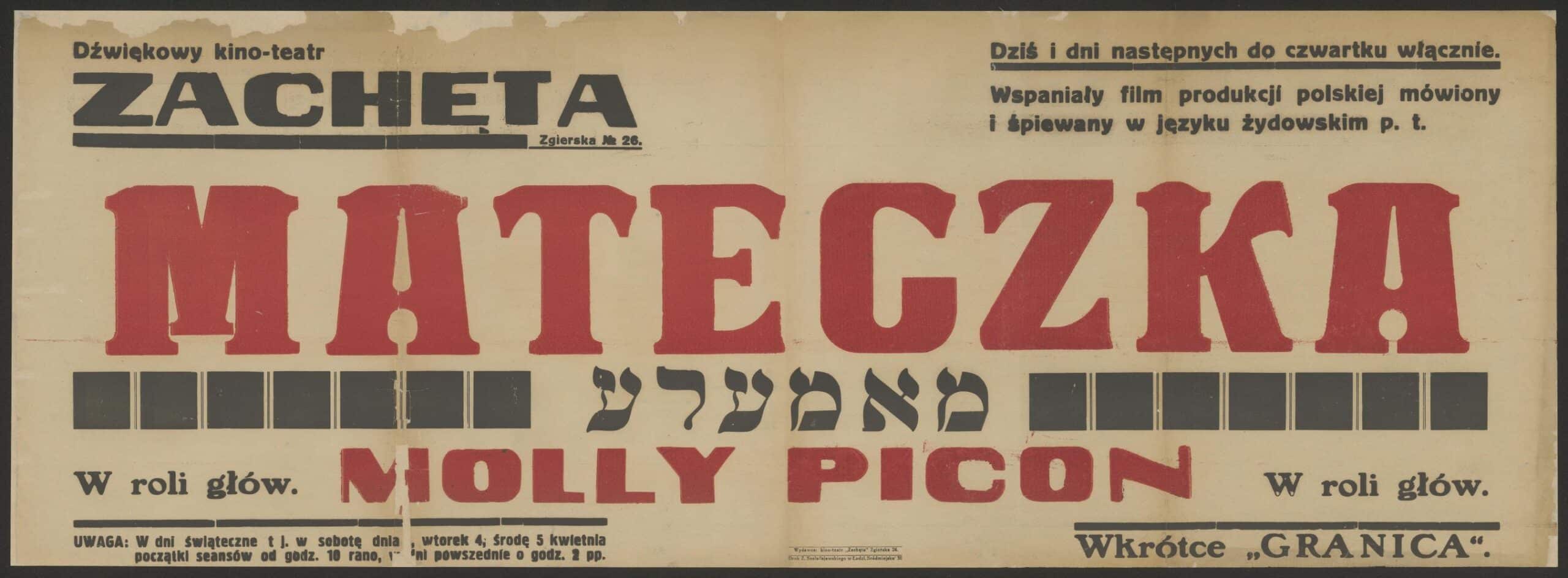
After the Holocaust, Yiddish cinema of the so-called “golden age” took on a completely different meaning. Criticized in the 1930s as unambitious, cheap entertainment for the uneducated masses, after 1945 it became a window into a “lost world.” Naive plots and shallow scripts, repetitive and stereotypical characters, tearful and sentimental scenes, small-town folklore, and depictions of backwardness – these and other flaws, pointed out by pre-war reviewers and critics, began to be viewed differently. Yiddish film became an invaluable source, a testimony, a trace of a vanished community.
Molly Superstar is an invitation to the world of Yiddish comedy: to film stills, photographs, and posters from the time when Molly Picon was a star in Poland and the USA, and viewers on both sides of the Atlantic were united by the Yiddish language, culture, familiarity with the same literary motifs, and — often humorous — references to history and tradition.
Related to Galicia Jewish Museum:
Exhibition
 Exhibition
‘Unimaginable. The Void After the Great Synagogues’
 Exhibition
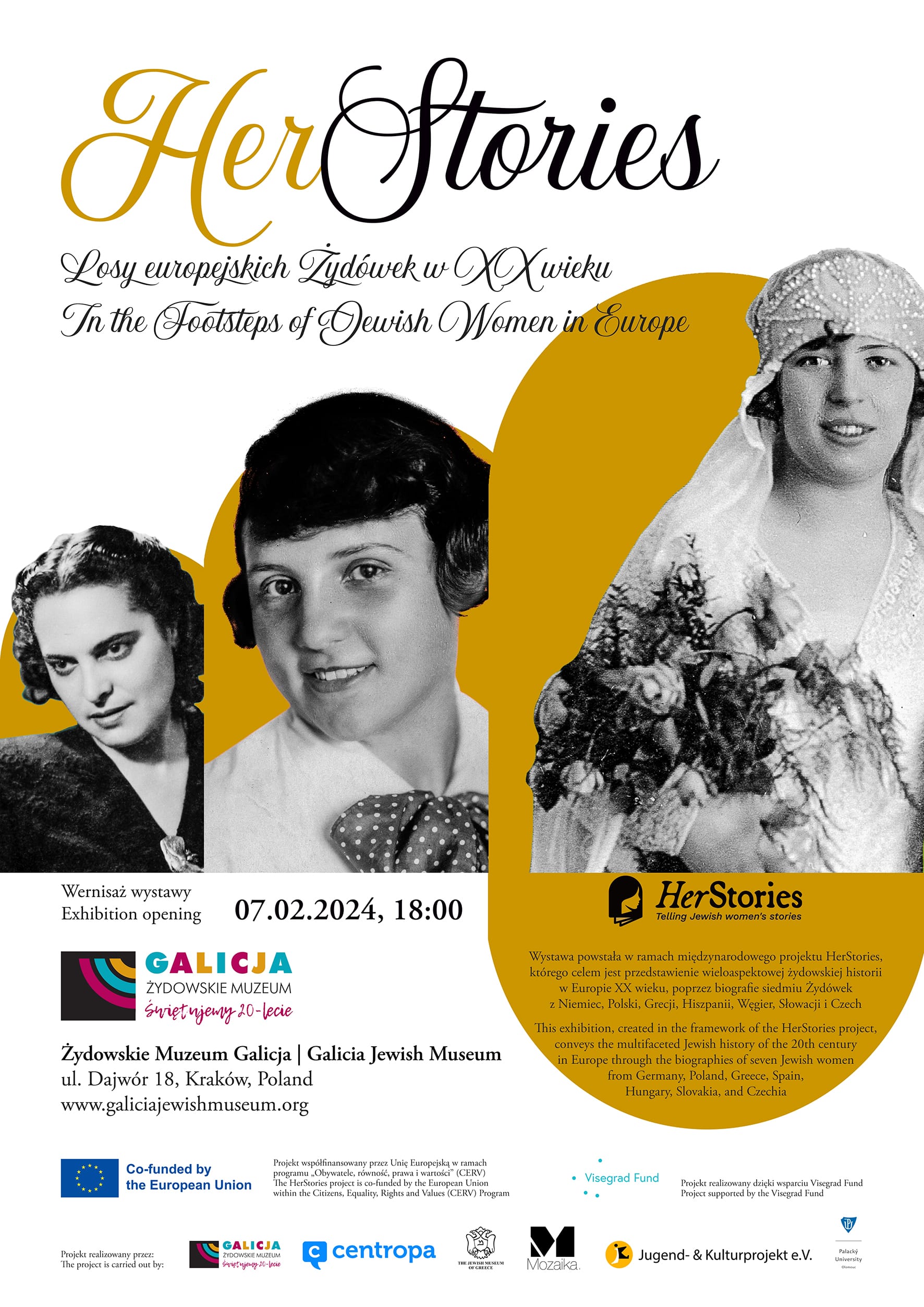
HerStories. In the Footsteps of Jewish Women in Europe
 Member Project
The Diary of Renia Spiegel – Digital Storytelling and Education for Human Rights
 Exhibition
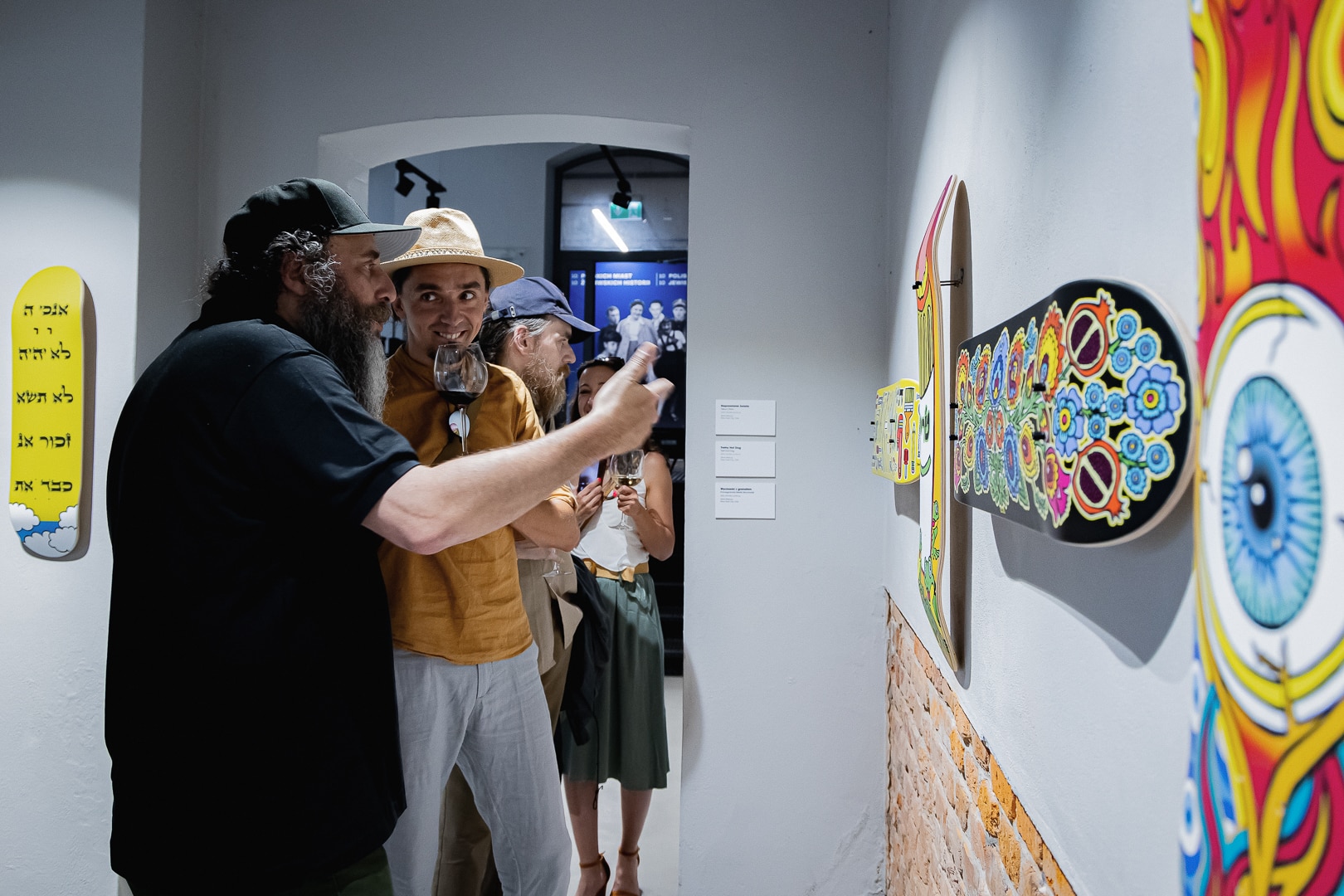
Skateboard decks by US-artist Steve Marcus at the Galicia Jewish Museum
 Exhibition
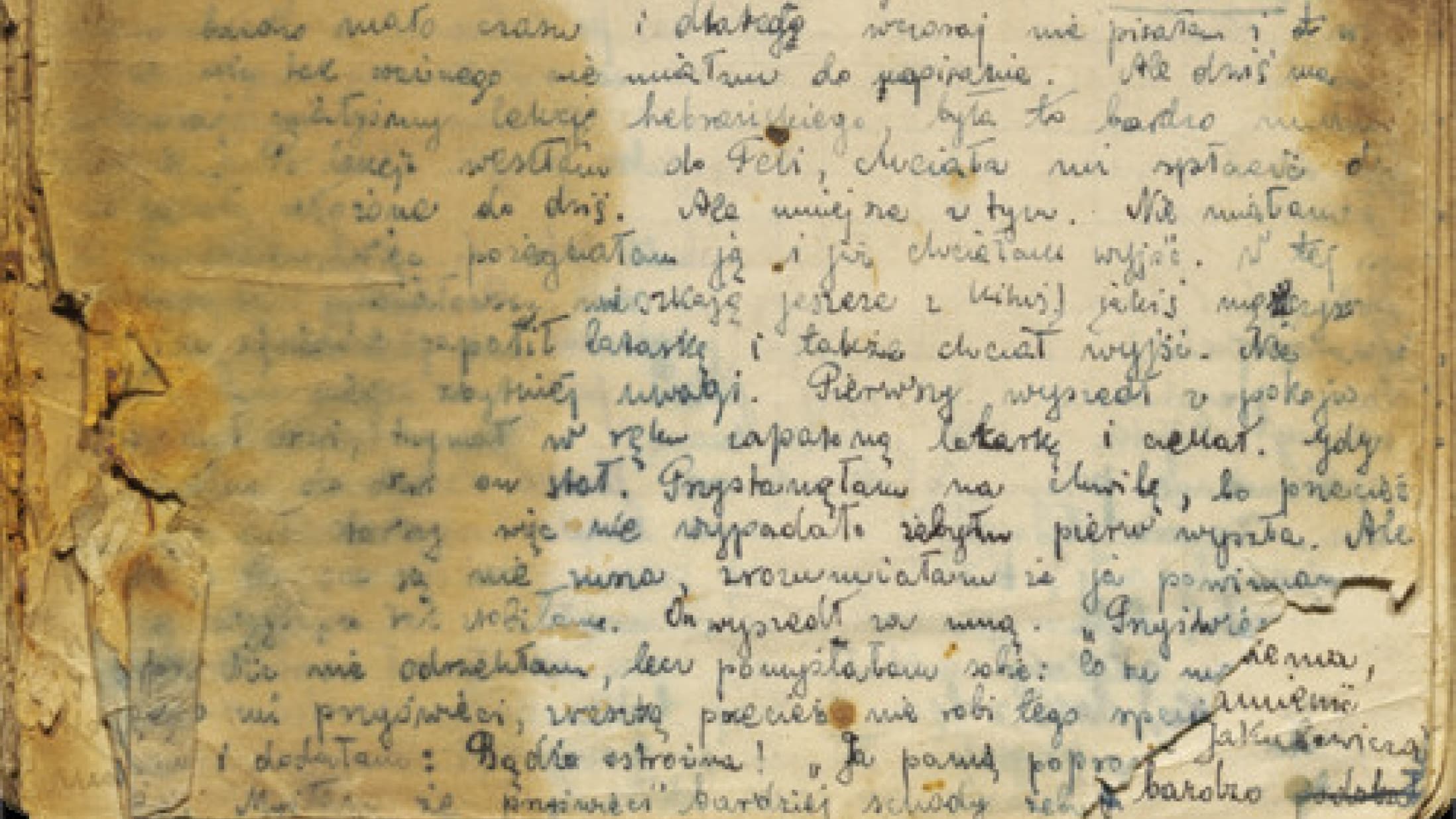
The Girl in the Diary. Searching for Rywka from the Łódź Ghetto
 Member Project
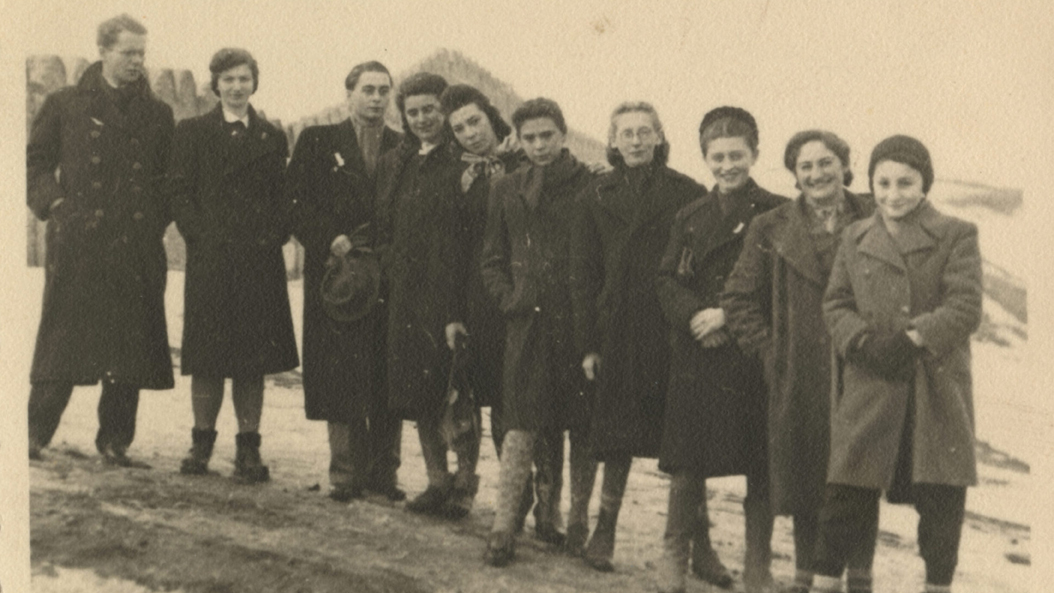
On Our Way Home
 Exhibition