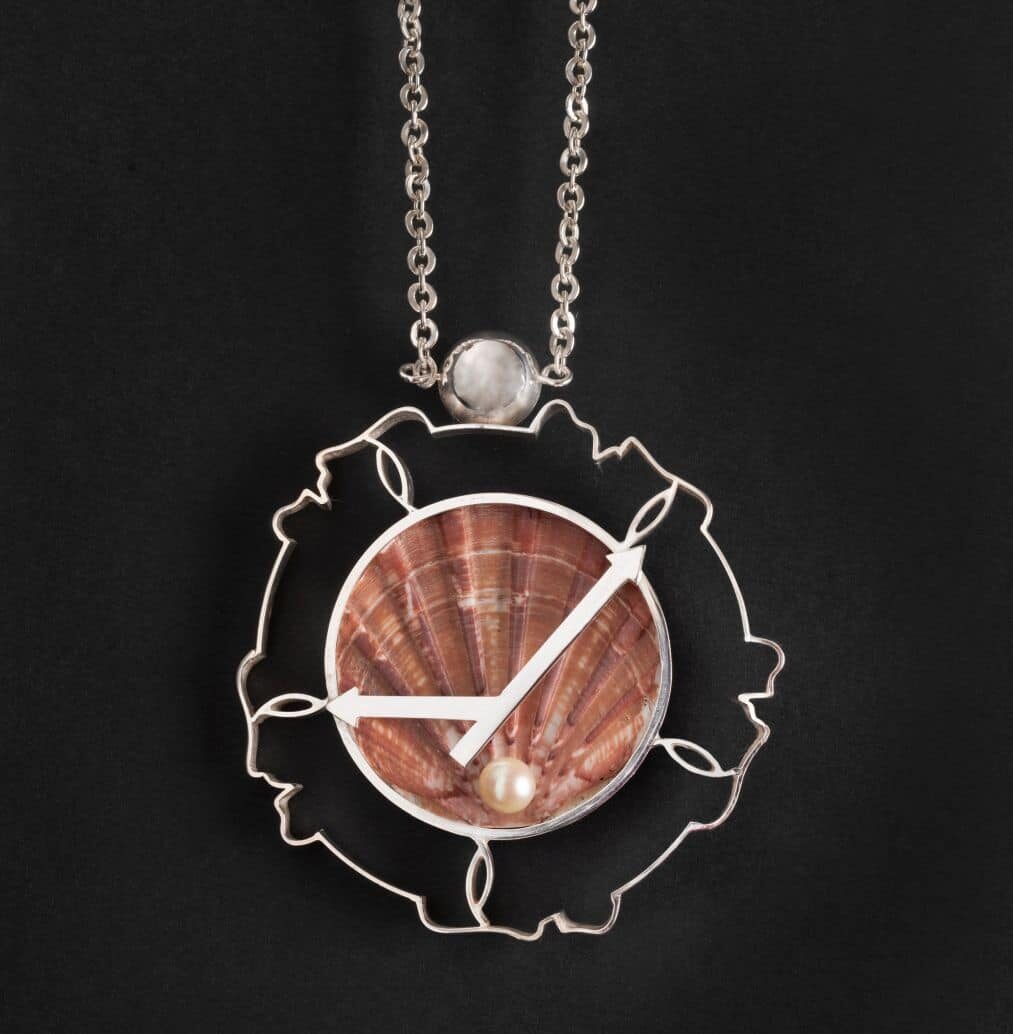
Labor of Love: Jewelry by Moshe Zabari. Temporary Exhibition at the Israel Museum
In December 2026, the Mandel Wing for Jewish Art and Life at the Israel Museum in Jerusalem will open “Labor of Love: Jewelry by Moshe Zabari”, an exhibition featuring a series of jewelry designed and crafted in 2018 by the late master silversmith and artist Moshe Zabari.
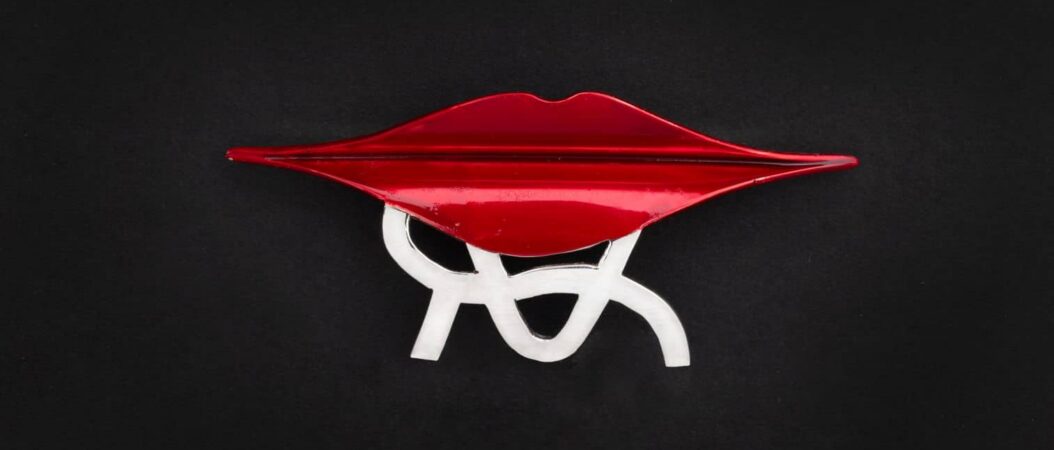
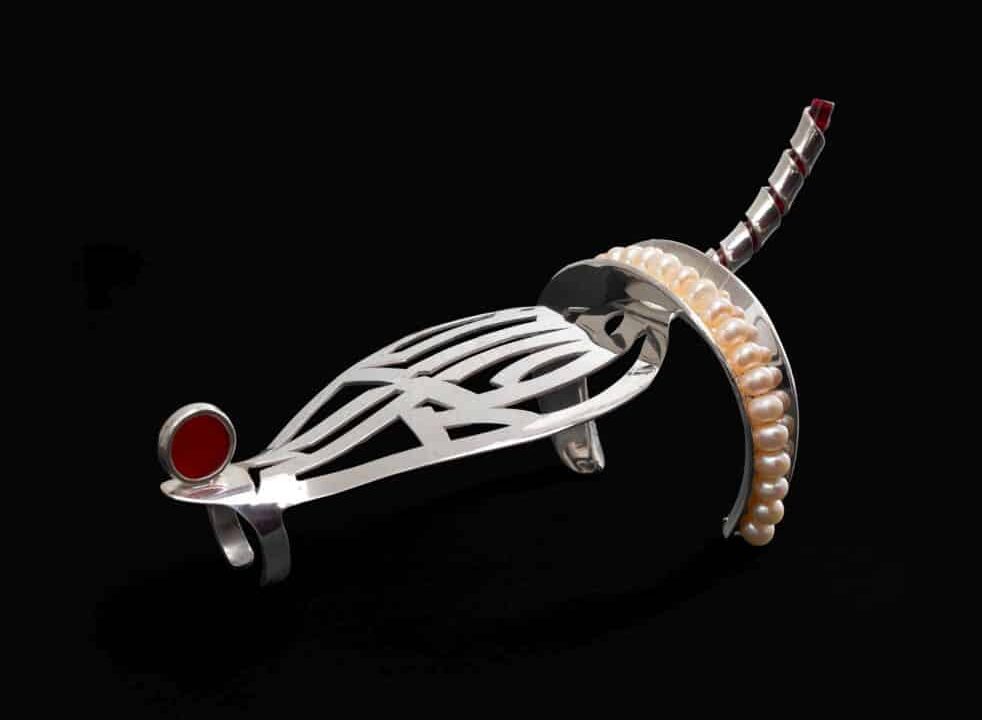
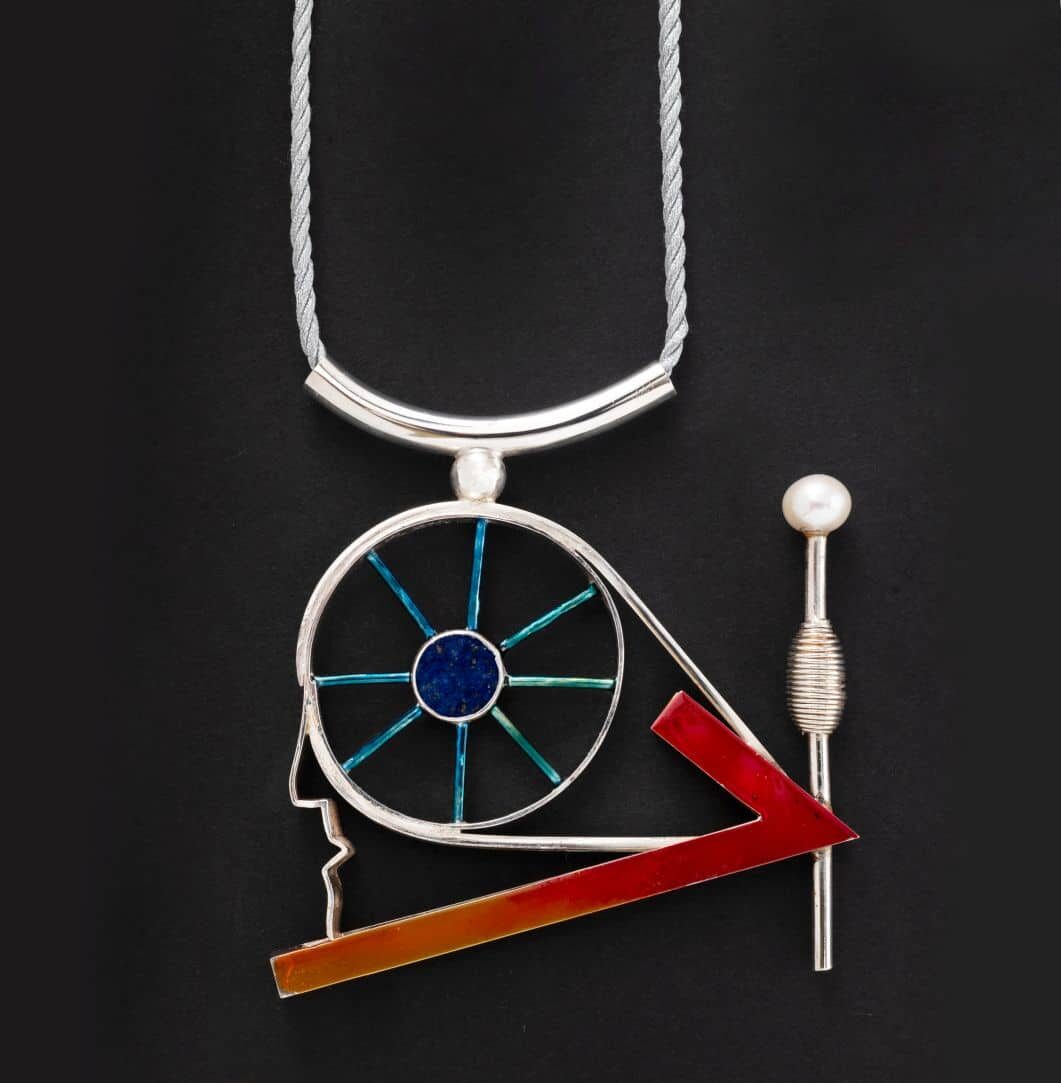
Inspired by the biblical poem Eshet Hayil (A Woman of Valor, Proverbs 31:10-31), the series comprises twenty-two pendants, brooches, and bracelets, each illustrating a verse from the text celebrating the virtues of the ideal woman: diligence, resourcefulness, kindness, strength, and the trust she inspires in her family.
Zabari created this series as a tribute to his wife, Pat, on the occasion of her eightieth birthday. Conceived as a token of love and appreciation, the works take the form of jewelry, reflecting a more intimate and personal expression of the artist’s affection and admiration.
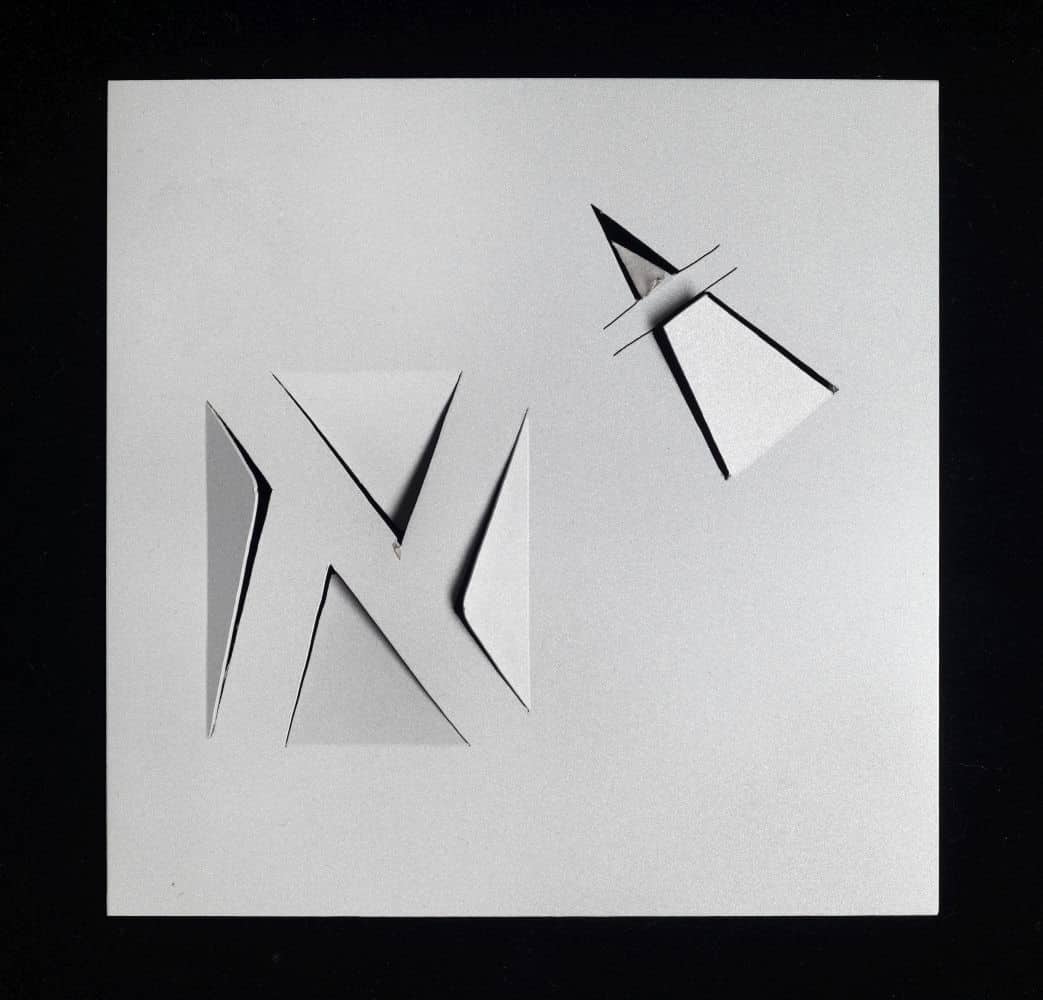
A year later, Zabari created a complementary series consisting of twenty-two aluminum plaques engraved with the Hebrew alphabet in both modern and ancient scripts. The series highlights the acrostic structure of Eshet Hayil, whose verses are arranged according to the letters of the Hebrew alphabet.
Both series will be on display for the first time.
Moshe Zabari was one of the leading figures in the field of Jewish art and design. He was mostly known for his ritual objects and sculptures, which were deeply rooted in Jewish texts, culture, and history. Combining clean modernist forms with an innovative, expressive, and often playful visual language, Zabari developed a distinctive artistic approach that is equally evident in the jewelry and alphabet series. Alongside these works, a selection of ritual objects and sculptures by Zabari will be displayed, tracing the evolution of his design vocabulary and demonstrating his figurative and expressive engagement with traditional Jewish texts and practices.
An additional section of the exhibition will explore the diverse customs and traditions associated with Eshet Hayil in Jewish culture, providing broader historical and cultural context for Zabari’s artistic interpretation of the poem.