 Exhibition

Gefühlsdinge – How to Listen to Objects
The exhibition “Gefühlsdinge – How to Listen to Objects” explores the emotional connections between people and objects from the collection of the New Synagogue Berlin Foundation.
There are many items in the collection whose history has been lost. This creates the sense of a broken history – broken by the Shoah, by wars and other crises, and which continues to be broken today. The exhibition invites us to fill these gaps emotionally, to reflect on how such feelings arise and what happens when we truly listen to objects instead of just possessing them.


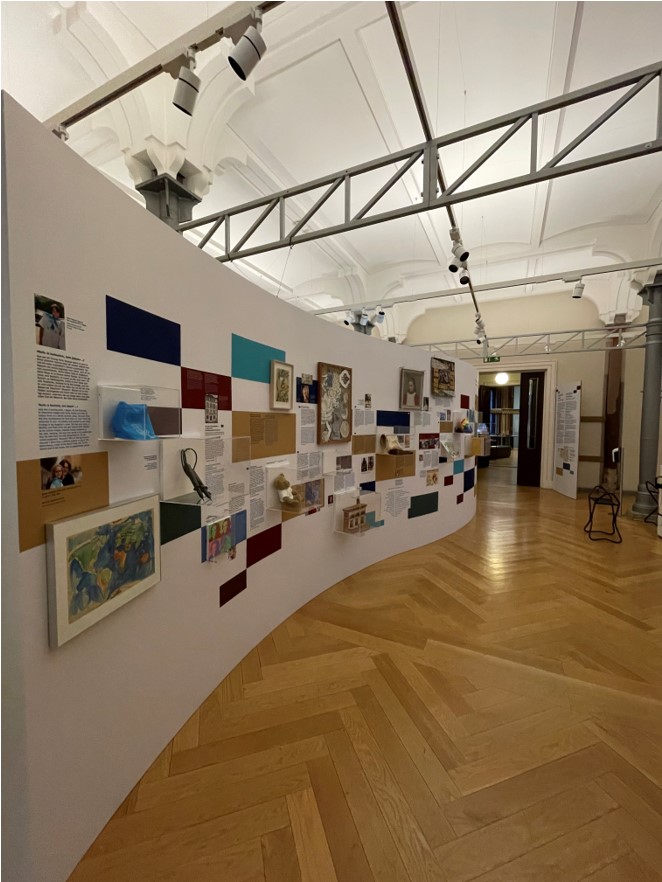
The exhibition is based on six participatory workshops with Jewish Berliners from 14 different countries of origin. In these workshops, participants engaged closely with different objects from the collection, such as the suitcase of the television host and Holocaust survivor Hans Rosenthal or the stethoscope of the physician Ludwig Traube. By sharing memories, associations, and personal stories, the participants brought new meanings to the objects. These stories reflect a range of emotions that are part of contemporary Jewish experience. Listening, responding, and entering into dialogue is also a central idea in Jewish tradition, expressed in the prayer Shema Israel, which emphasizes attentiveness and connection.
The immersive animated film “Transformation” focusses on how an object can transform, often in unexpected ways. An object that represents safety and family in one moment may stand for danger or loss in another. In this sense, objects act like resonating bodies whose meaning is never static but exists in dialogue with the world and the individual. The film brings together impressions and memories from the workshops and combines them with a 3D reconstruction of the former main prayer hall of the New Synagogue Berlin, which was damaged during the Second World War and later demolished. Visitors are invited to step into this space and engage with their own emotional responses.
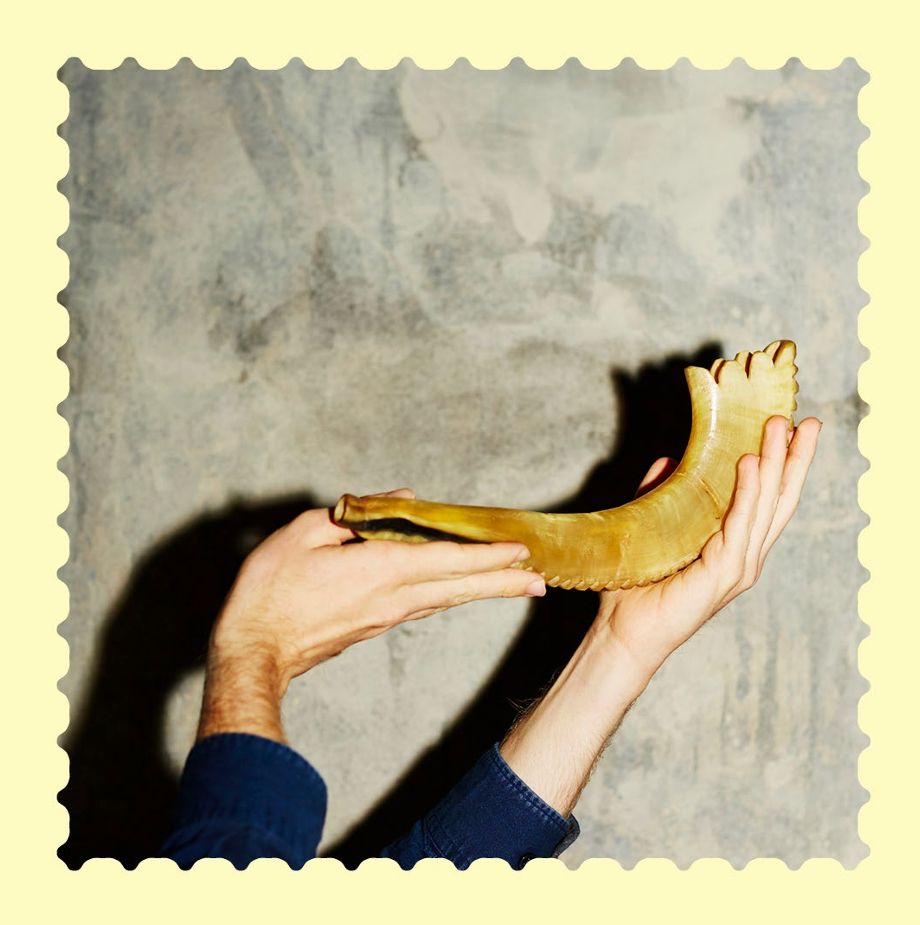
The exhibition also includes the portrait installation “Object Voices” by photographer Alena Schmick. The portraits show the workshop participants and how museum objects come to life in their hands, while you can also hear what particpants associate with museums, Jewish objects or Jewish history. The images reflect both the quiet, thoughtful moments and the at times lively, playful tone of the workshops. Schmick also photographed in different areas of the New Synagogue Berlin after closing time, allowing the building itself to become part of the dialogue. Her approach shows how history can be treated with care and respect while remaining alive and meaningful in the present.
The Glass House represents the museum’s collection storage. Some objects in the collection are well documented, while for others we have no information at all. In the case of nameless objects, we can only assume they were left behind during deportations or escape from Nazi Germany. The transparent design of the Glass House symbolises openness and exchange. It invites visitors to share knowledge, memories, and perspectives, and to become part of the ongoing interpretation of the collection.
The exhibition is organised around five themes: Resilience and Action, Connectedness and Survival, Ambivalence and Caring, Fascination and Visibility, and Powerlessness and Resistance. Through sound, smell, touch, and sight, objects evoke a wide range of emotions, including warmth, pride, anger, fear, sadness, and hope. These emotional experiences show that history is not only something we learn about, but something we feel with our bodies. In this way, sharing stories and listening to objects becomes a way of connecting past and present—and of keeping memory alive.
Related to Stiftung Neue Synagoge Berlin – Centrum Judaicum:
Exhibition