 Member Project
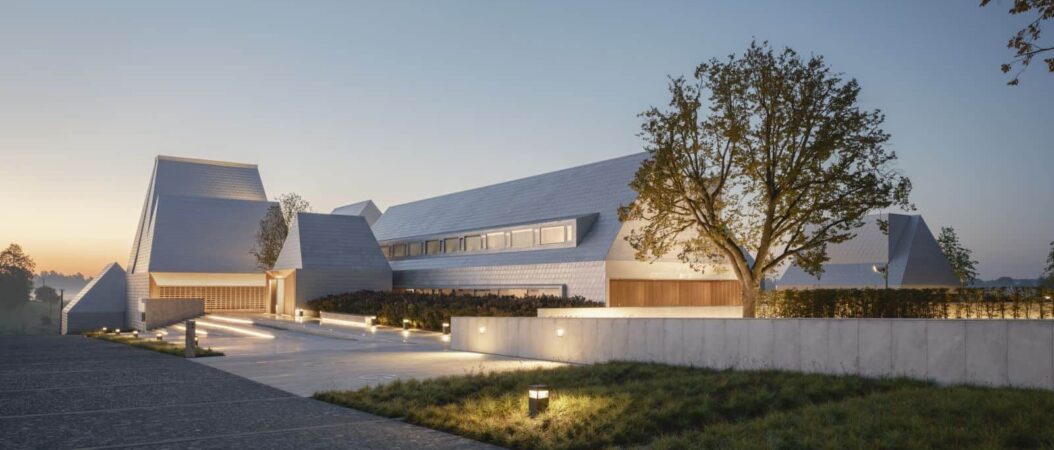
Lost Shtetl Museum, Šeduva, Lithuania; Copyright: Martin Sommerschield, Kuvatoimisto Kuvio
Lost Shtetl Museum Included in the World’s Most Beautiful Museums List 2026
The Lost Shtetl Museum, which opened in Šeduva in 2025, has been included in the prestigious World’s Most Beautiful Museums List 2026, announced by the international architecture and design awards Prix Versailles. Seven museums from around the world were selected for this year’s list, and “The Lost Shtetl” stands alongside projects in Abu Dhabi, Shenzhen, Guangzhou, Tokyo, Arlington, and Tashkent. It is also the first museum in the Baltic States to receive this recognition.
The Prix Versailles awards, presented annually at UNESCO headquarters in Paris, honour projects that combine architectural excellence with meaningful storytelling and cultural significance. This year’s selected museums were recognised for exploring themes ranging from history and memory to science and innovation, while redefining contemporary cultural heritage.
According to Dr. Jolanta Mickutė, Jewish history specialist and Head of the Education Department at The Lost Shtetl Museum, this recognition demonstrates the international relevance of the museum’s story:
“In a relatively short time, we see that the museum is receiving attention not only from visitors in Lithuania and abroad, but also from the international professional community. Such an assessment shows that the museum’s architecture, the language of the exhibition, and the story it tells are understandable and influential in a broader global context,” says Dr. Mickutė.

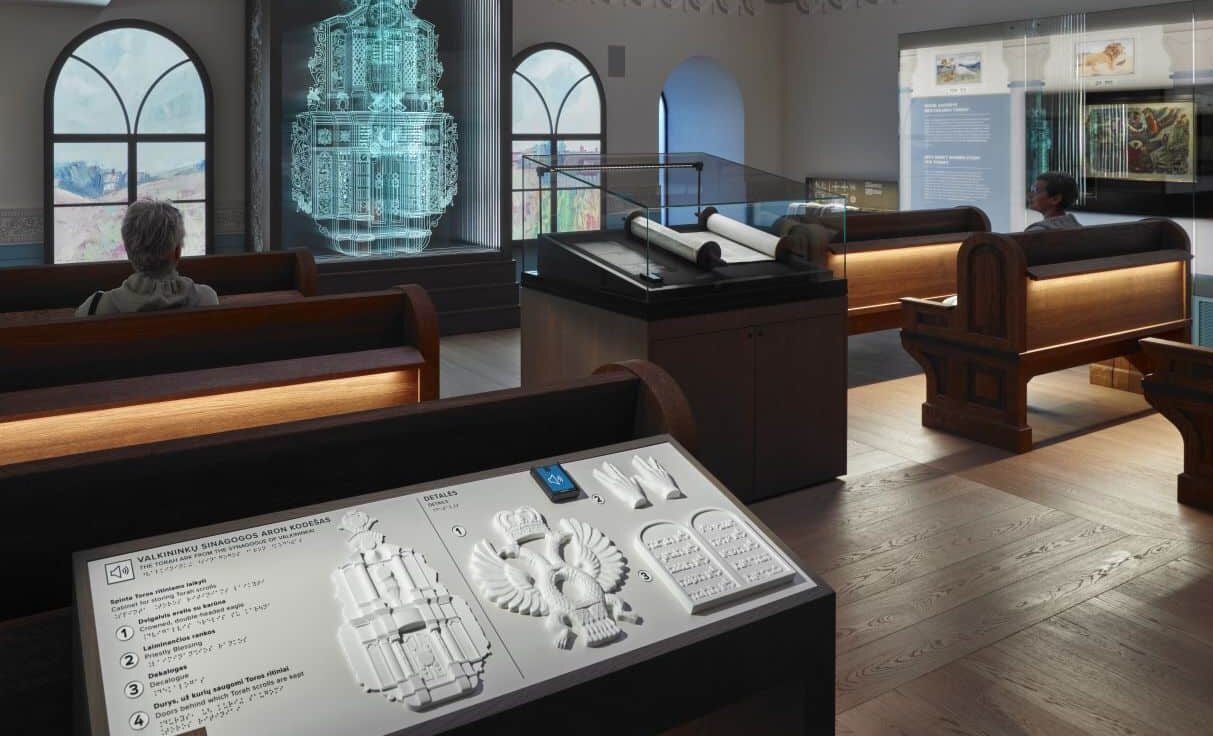

In presenting the museum, the Prix Versailles jury described The Lost Shtetl as a “mirage” capable of expressing through architecture what is difficult to convey in words. Located near the historic centre of Šeduva, the museum tells the story of the vanished Lithuanian Jewish shtetls – small Jewish towns and communities that disappeared after the Holocaust.
Through authentic stories connected to Šeduva, the museum recreates the daily life, traditions, and experiences of Lithuanian Jewish families, offering visitors a window into the broader history of Eastern European Jewish life.
The museum was designed by Finnish architect Rainer Mahlamäki in collaboration with Enea Landscape Architecture. Inspired by the silhouette of a traditional shtetl, the building’s interconnected forms resemble a small village and blend sensitively into the surrounding landscape. The Memorial Park adjacent to the museum further extends this commemorative space and serves as a living monument to Lithuania’s lost Jewish communities.
The Lost Shtetl Museum was initiated and founded by the Swiss-based philanthropic organisation Youth Aid Foundation. The project, developed over more than a decade, brought together over 30 companies and teams from eight countries in an exceptional international collaboration.